Our booking recommendation: The private tour from Brandenburg Gate to the dome, non-refundable. Book this Compare options
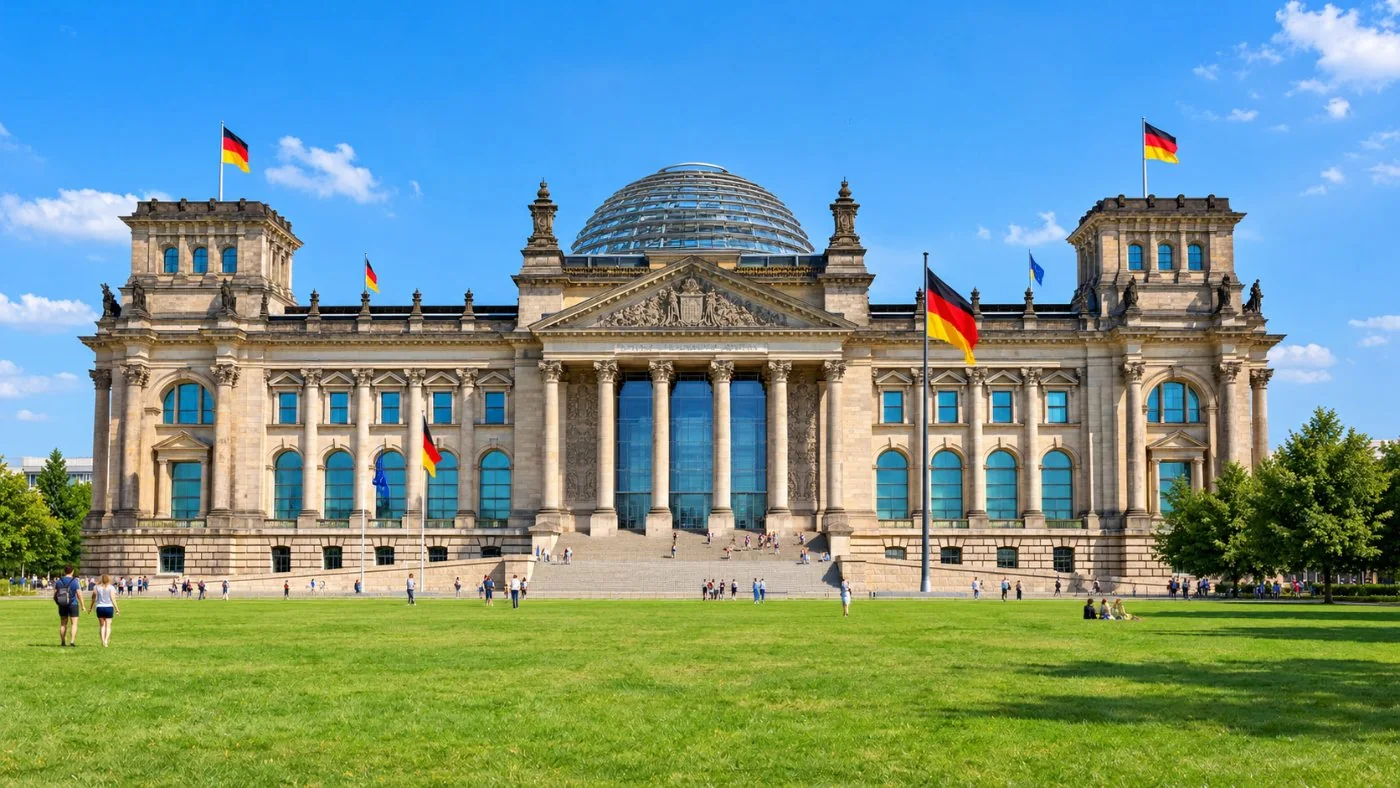
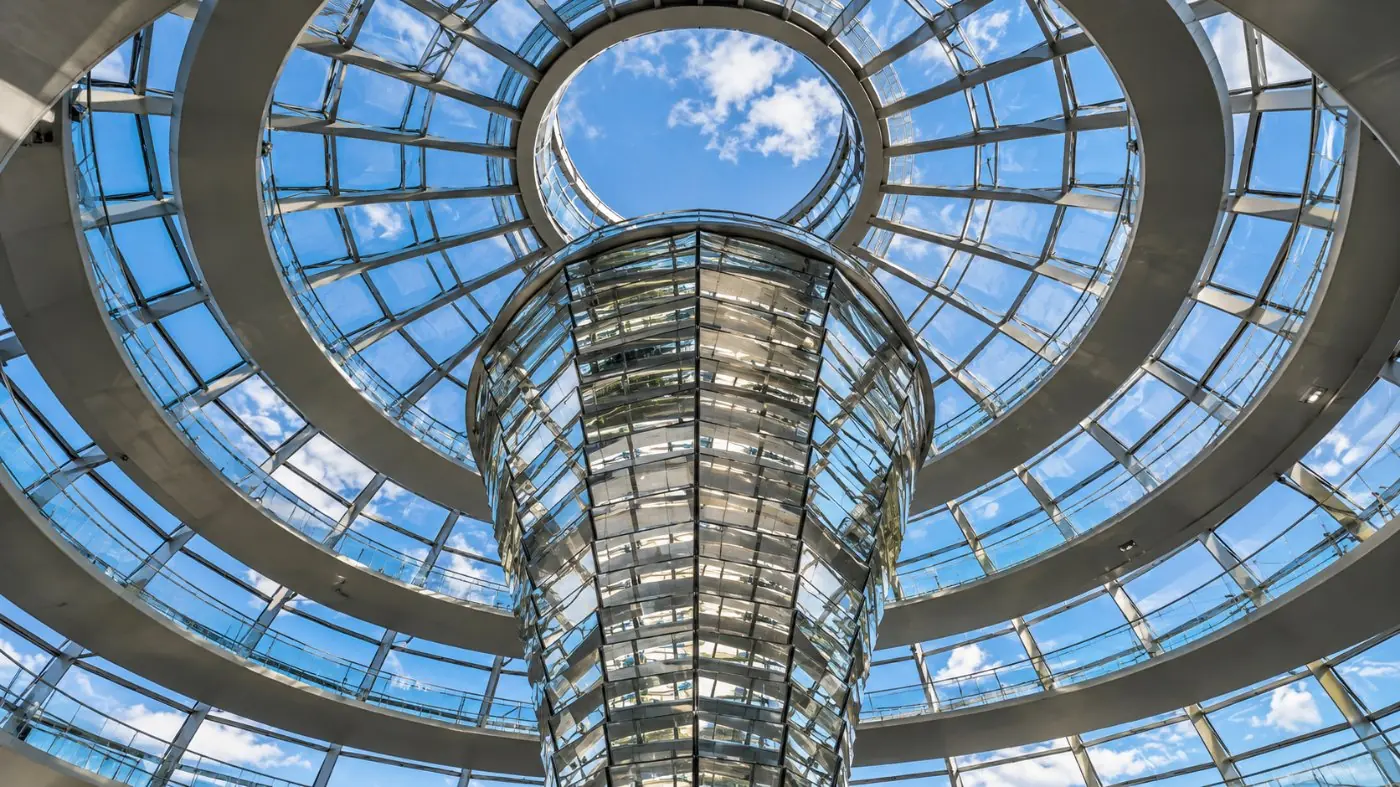
When the Bundestag moved into the renovated Reichstag Building in 1999, the imperial-era structure gained a new landmark: a walkable dome made of steel and glass. It was designed by British architect Norman Foster, whose firm Foster + Partners also planned the building’s renovation.
The dome is both a technical marvel and a symbol. Its mirror cone directs light into the plenary chamber, its open apex allows stale air to escape, and the glass represents the transparency of democracy, according to the Bundestag. All measurements in this guide are taken from Bundestag publications.
The short answer
The Reichstag dome was designed by Sir Norman Foster (Foster + Partners), and the renovated building opened on 19 April 1999. The dome rises 23.5 metres above the roof terrace, its apex is 47 metres above street level, and its diameter is 40 metres. The observation platform is at approximately 40.7 metres and is accessible via two spiral ramps, each 230 metres long. In the centre, 360 mirrors direct daylight into the plenary chamber.
Who designed the Reichstag dome?
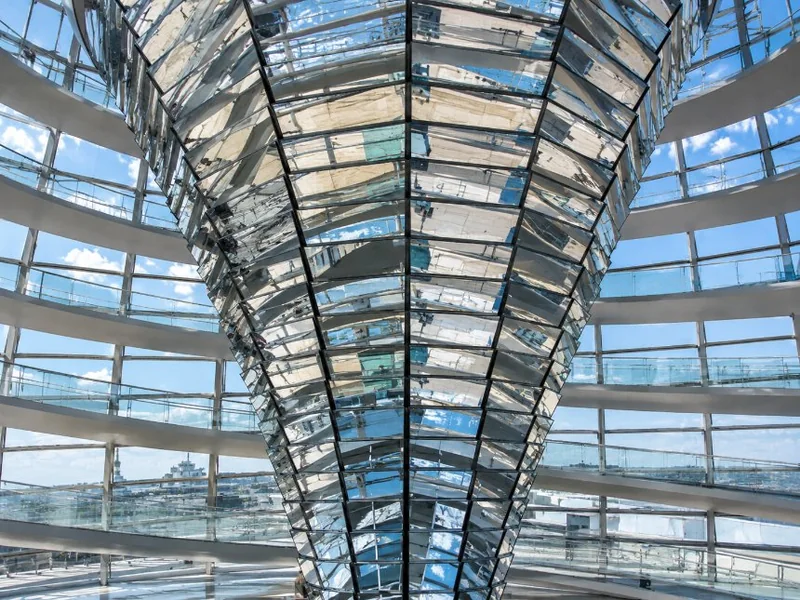
The British architect Sir Norman Foster with his firm Foster + Partners. The dome is part of his renovation of the Reichstag Building.
In 1992/93, Foster won the international competition for the Reichstag Building’s renovation. Construction began in early 1995, and in spring 1995, the Bundestag’s Council of Elders chose the dome design. On 19 April 1999, the Bundestag moved into the renovated building, and Foster handed Bundestag President Wolfgang Thierse the symbolic key.
At this point, there was no longer a historic dome: the remains of the old dome from Paul Wallot’s era had already been removed after the Second World War. To find out how this happened, read our guide to the history of the Reichstag.
What is the name of the Bundestag’s dome?
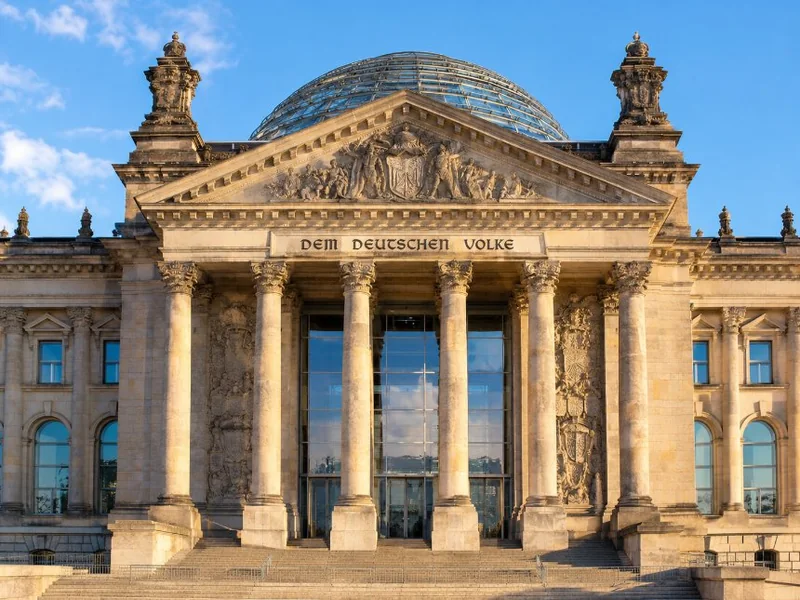
Generally called the Reichstag dome because it sits atop the Reichstag Building. The Bundestag itself usually just refers to it as the dome.
We haven’t found an official proper name. Since the Bundestag meets in the Reichstag Building, the term 'Reichstag dome' has become established, while the Bundestag’s visitor pages refer to it as 'dome and roof terrace'. They all mean the same thing: the walkable glass dome above the plenary chamber.
The structure at its centre, however, has a technical name. The Bundestag calls the mirrored cone the light-deflecting element because it directs daylight down into the plenary chamber.
How tall is the Reichstag dome?
The dome is 23.5 metres high, measured from the roof terrace. Its tip is 47 metres above street level, with the observation platform at about 40.7 metres.
The height figures are worth a closer look. The 47 metres refers to the tip of the dome above street level, not the platform where you stand. The platform is at about 40.7 metres (some sites round this down to 40 metres) and covers roughly 200 square metres. The roof terrace, from which you enter the dome, is at 24 metres.
The dome is supported by 24 steel ribs and 17 horizontal rings. Around 800 tonnes of steel and roughly 3,000 square metres of glass were used. Yet from inside, the structure still feels light because you can see the sky through the gaps between the ribs. The table below summarises the key dimensions, all per the Bundestag’s data.
| Component | Measurement |
|---|---|
| Height of the dome above the roof terrace | 23.5 metres |
| Tip of the dome above the street | 47 metres |
| Diameter | 40 metres |
| roof terrace | 24 metres above the street |
| viewing platform | about 40.7 metres, roughly 200 square metres |
| ramps | two opposing spiral ramps, each 230 metres long, with a constant 8% gradient |
| supporting structure | 24 steel ribs and 17 horizontal rings |
| material | around 800 tonnes of steel and roughly 3,000 square metres of glass |
| mirror cone | 360 mirrors arranged in 30 rows of 12 each |
| opening at the top | approximately 10 metres in diameter |
With your own guide into the dome: private tour for up to six people, per the listing around 20 minutes in the dome. Non-refundable.
Book thisHow do the ramps in the dome work?
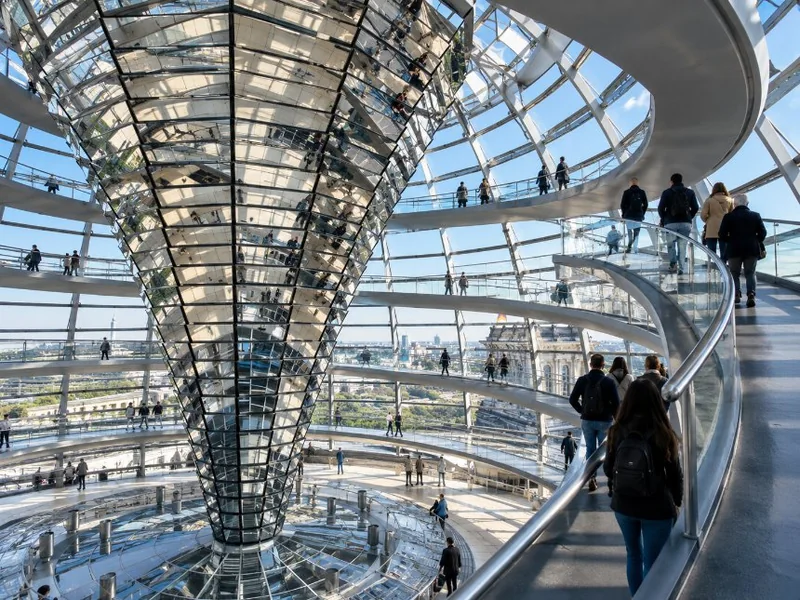
Two spiral ramps wind in opposite directions up the inside of the dome. Each is 230 metres long and has a constant gradient of 8 percent.
The two ramps are designed like a double helix, twisting in opposite directions. Because the gradient remains consistent throughout, the ascent is steady and step-free. Along the way, the view constantly changes: one moment you look outward over the city, the next inward at the mirror cone.
The audio guide is tailored to this route. It lasts about 20 minutes and accompanies you on the 230-metre ascent and descent. For more details on the process, see our tips for visiting.
This also benefits visitors with limited mobility: two lifts go up to the roof terrace, and the ramps have no steps. The Bundestag also provides wheelchairs for loan and a barrier-free entrance (West C).
What does the mirror cone in the dome do?
It directs daylight into the plenary chamber and also serves as ventilation and smoke extraction. A movable sun shield follows the path of the sun.
The cone at the centre of the dome holds 360 mirrors, arranged in 30 rows of 12. They reflect daylight down into the plenary chamber. A motorised sun shield tracks the sun’s movement, controlled via 24 sensor points.
The cone has a second function: it provides ventilation and smoke extraction. Used air rises through it and escapes through the roughly 10-metre-wide opening at the top of the dome. That is why the dome is open at the top.
What does the glass dome symbolise?
According to the Bundestag, the glass surfaces and open architecture symbolise the transparency of democracy in Germany.
As the Bundestag’s dome exhibition puts it: “Glass surfaces and open architecture symbolise the transparency of democracy in Germany.” The glass is meant to show that parliamentary work is public and that citizens have access to their parliament. This is reflected in the fact that the dome and roof terrace are free for visitors to enter.
Another common interpretation is that visitors in the dome literally stand above their representatives. This is a widely held view, though we have not found an official quote from the Bundestag to confirm it. If you want to see the plenary chamber from inside, you can experience it during a talk or a German-language tour with a plenary chamber talk .
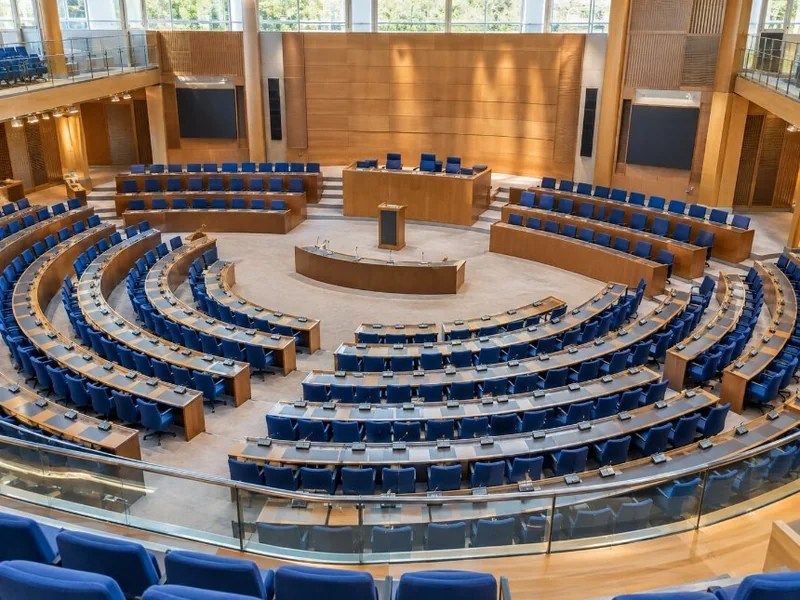
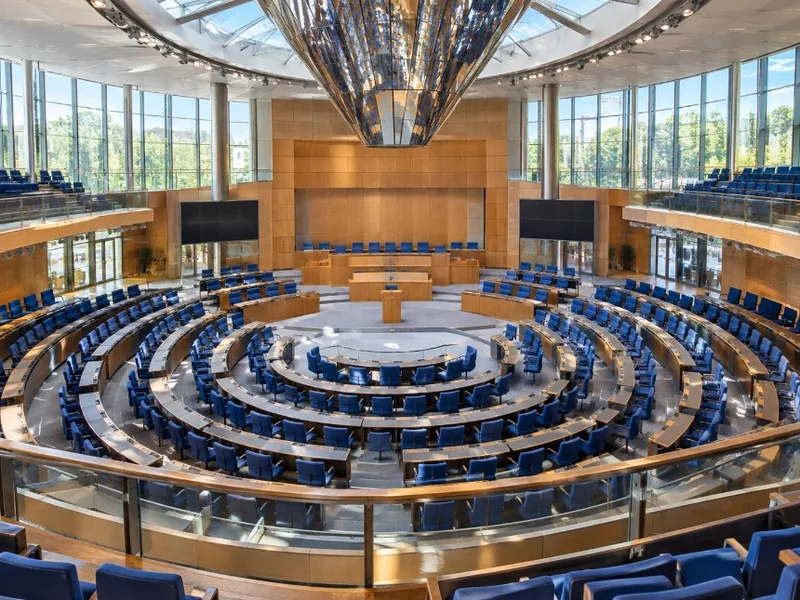
Lecture in the plenary chamber on parliamentary history and Foster’s redesign, followed by the roof terrace and dome. German only.
Book thisWhat can you see from the Reichstag dome?
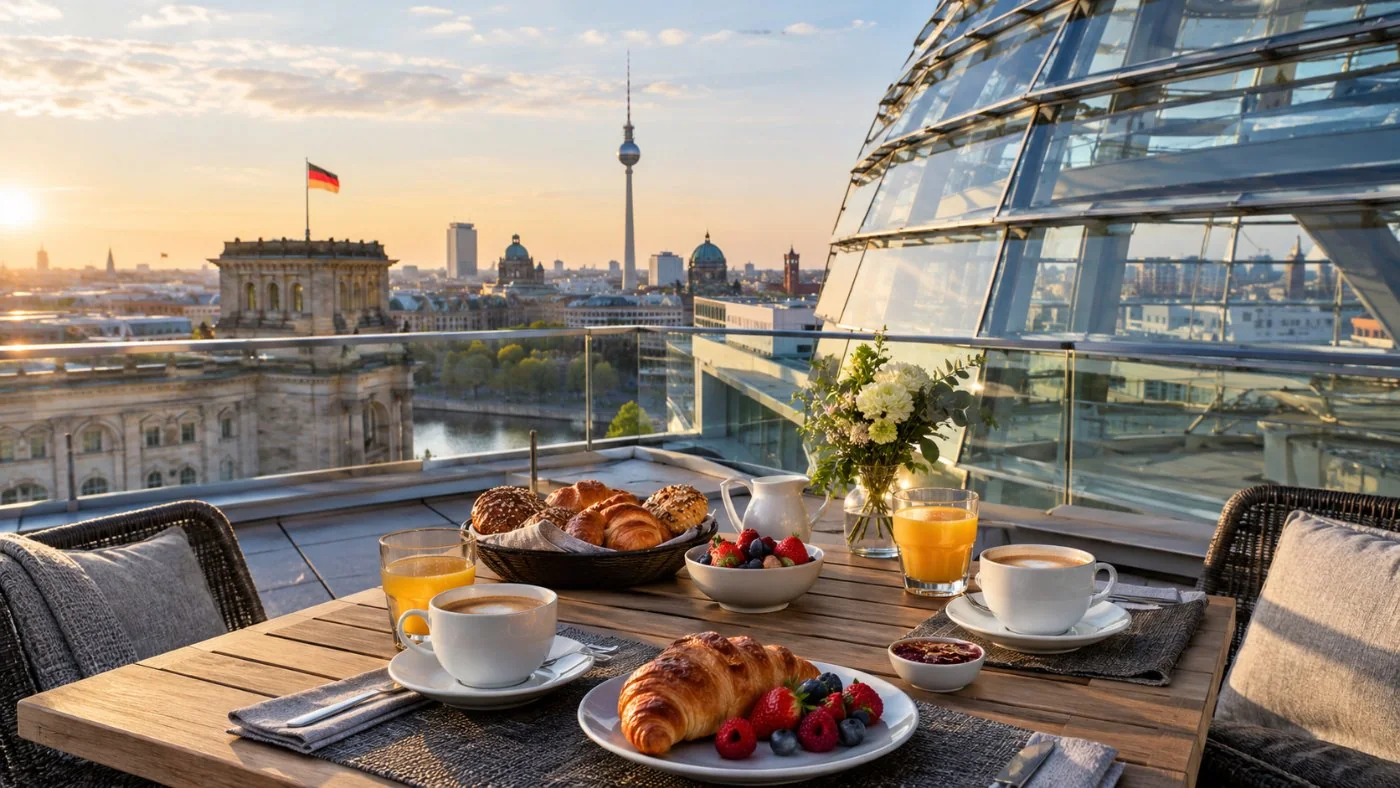
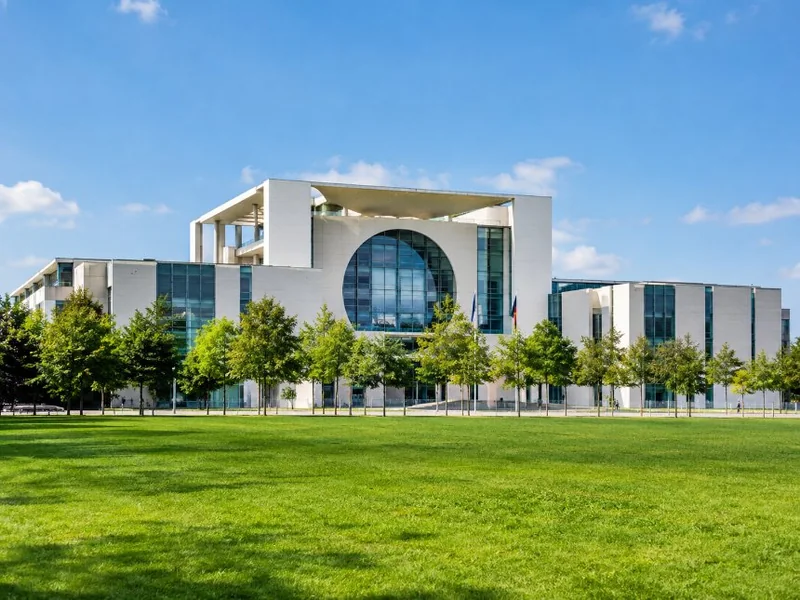
Among them are the Federal Chancellery, the Brandenburg Gate, the Victory Column and the TV tower. Right next door are the government district and the Tiergarten.
The Bundestag’s audio guide also names these four landmarks. On a clear day, the view stretches from the government district all the way to the TV tower. The parliamentary buildings of the government district and the Tiergarten border the Reichstag Building directly.
To understand what you are seeing from above, it helps to take a walk through the district beforehand. The guided tour of the Reichstag, dome and government district combines both and explicitly covers Lord Foster’s architecture as a topic.
How can you best experience the architecture?
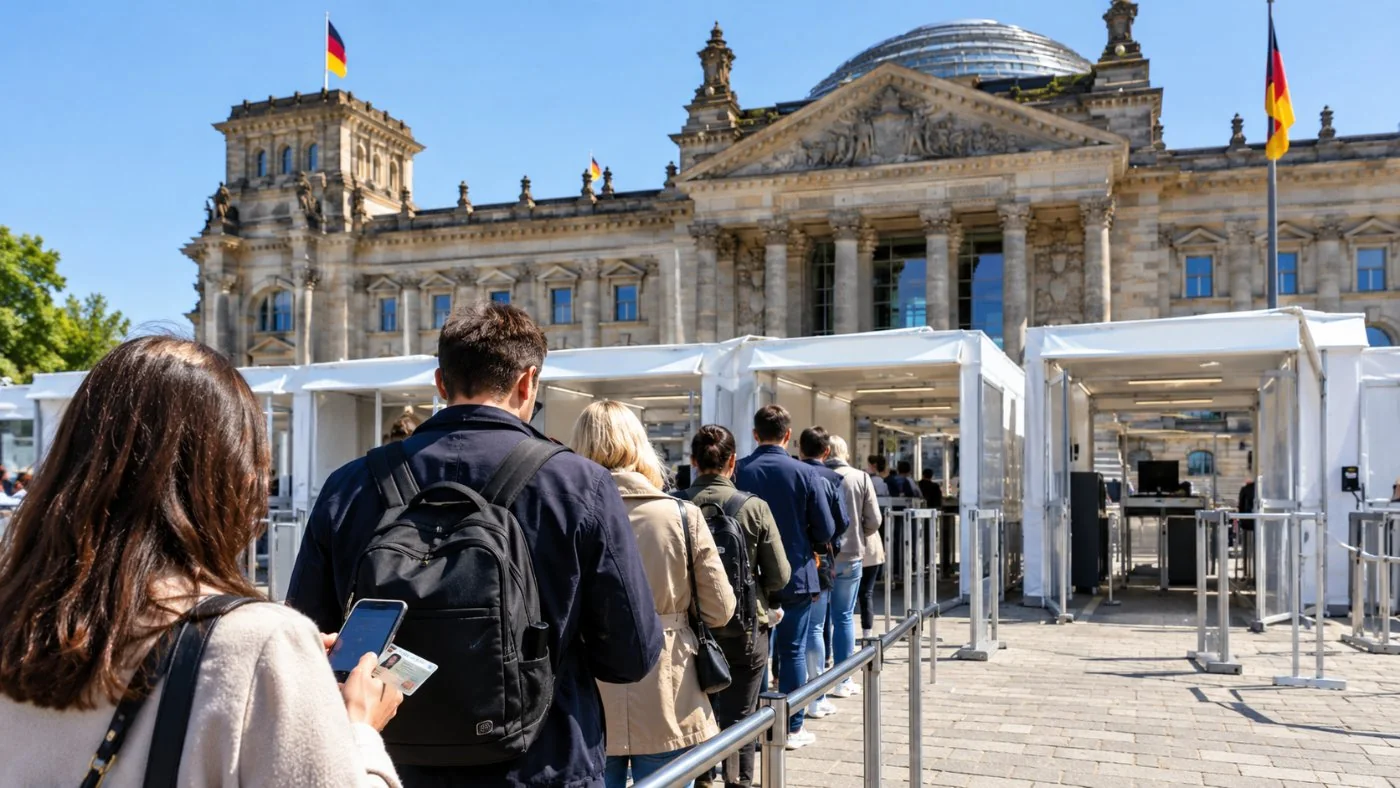
With free registration and the audio guide, you can visit the dome itself. A guided tour puts the building and government district into context, while a private tour gives you time for questions.
At the level of the roof terrace, an exhibition showcases the building’s history, and the audio guide explains the dome as you walk. For deeper insight, book a guide: the private Reichstag and dome tour lasts 1.5 hours per the listing, starts at Brandenburg Gate, goes through the government district to the Reichstag and includes about 20 minutes in the dome. It is available in German, English or French for up to six people.
Before booking, note that the private tour is non-refundable. A talk in the plenary chamber is only available in German and only on request, at least five days in advance and subject to availability. And as with any dome visit: the dome may be closed at short notice due to parliamentary business, weather or security reasons, and in 2026 it will also be closed from 19 to 30 October for maintenance.
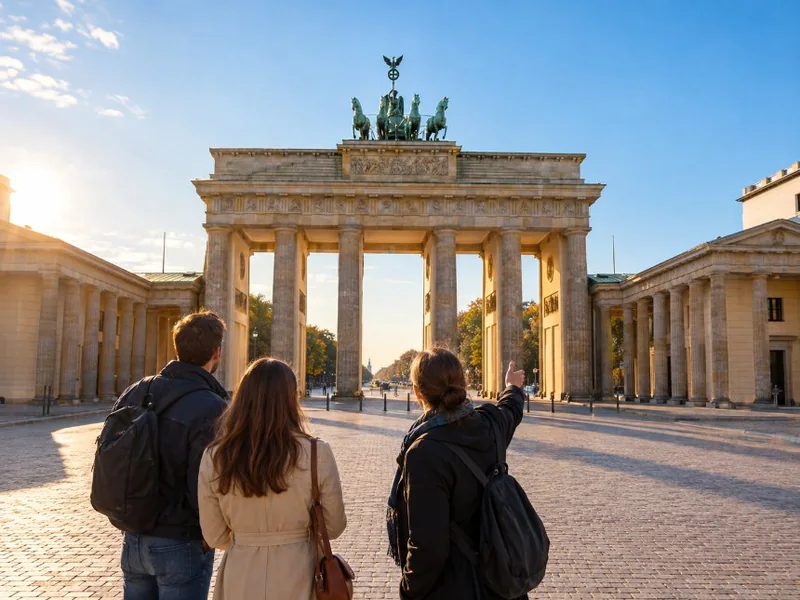
Your own guide from Brandenburg Gate all the way to the dome, for up to six people. Non-refundable.
Book thisFrequently asked questions
How high is the Reichstag dome viewing platform?
About 40.7 metres above street level. The 47 metres refers to the top of the dome.
How many mirrors are in the Reichstag dome?
The mirror cone has 360 mirrors arranged in 30 rows of 12 each.
How long are the ramps inside the dome?
Each of the two spiral ramps is 230 metres long and rises at a constant gradient of 8 percent.
Is the dome open at the top?
Yes. There is an opening of about 10 metres at the top through which exhaust air escapes.
Ready to book
Select your tour
The provider handles registration with the Bundestag. Booked via GetYourGuide.
Private tour: Reichstag and glass dome
- Private guide just for your group, per the listing up to 6 people
- From Pariser Platz through the government district up to the roof terrace and dome
- Registration with the Bundestag included
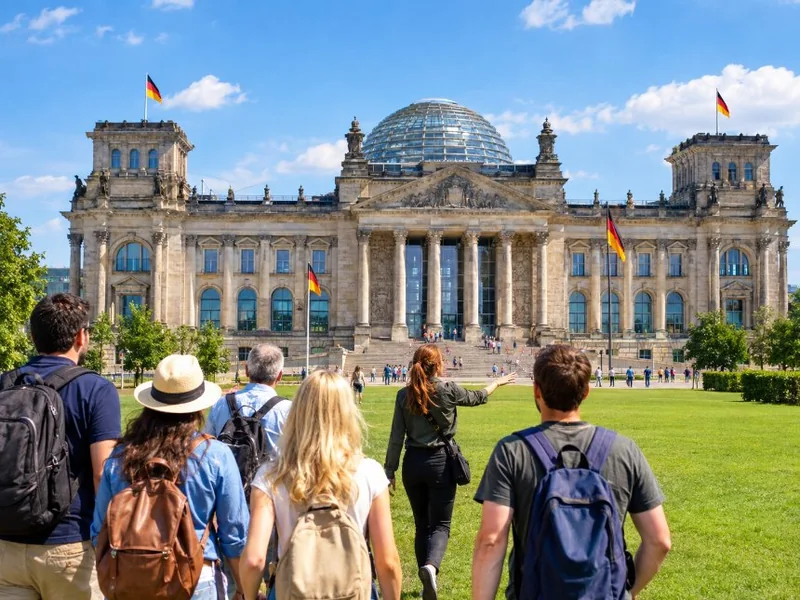
Reichstag, dome and government district with a guide
- Guided tour of the government district, in German or English
- The provider handles registration with the Bundestag
- Per the listing: plenary chamber, roof terrace and glass dome
Plenary chamber talk, dome and Spree riverbank
A walk along the Spree through the government district, followed by a talk in the plenary chamber about the parliament and its renovation, and finally the roof terrace and dome